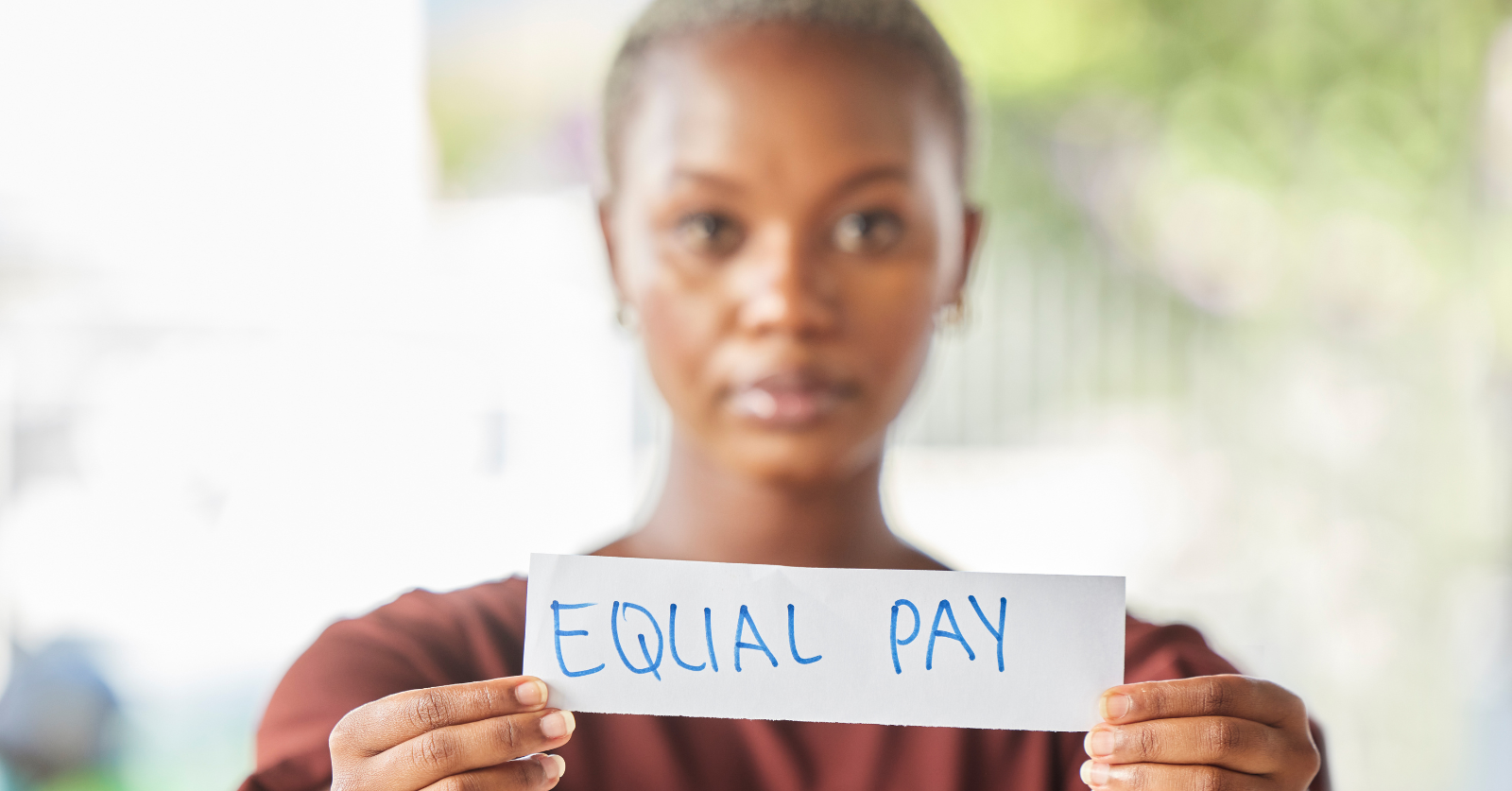
Ever notice how Equal Pay Day shows up on the calendar more than once? In the U.S., Equal Pay Day 2025 was marked on March 25, the day when women, on average, finally “caught up” to what men earned in 2024. But that’s just the average. Mothers had to wait until May 6, Black women until July 10, and Latinas will not reach parity until October 8.*
Equal Pay Day isn’t one day at all. It is a string of reminders stretching across the year, each one pointing to the uneven progress of pay equity.
And then comes the global reminder. International Equal Pay Day is September 18, 2025. If March felt late, September feels endless.
The Numbers, Give or Take
Because Forté works with women and organizations across the UK and EU, I thought it was worth looking at how the numbers compare there. And here’s where it gets messy: no two regions measure pay gaps the same way. There is no single, global calculator spitting out “the” gender pay gap. Each country runs its own math. Some report hourly wages, others look at annual earnings. Some focus only on full-time workers, others include part-time too. It is less apples to apples and more like apples to pears to pomegranates.
So with that caveat: in the U.S., women earn about 83 cents for every dollar men earn. ChatGPT will tell you the UK gap is roughly 13 percent and across the EU it averages about 12 percent. Different methods, slightly different yardsticks, but the same conclusion: women are still underpaid. Everywhere.
Awareness vs. Accountability
In the U.S., Equal Pay Day is about awareness. Campaigns, hashtags, social posts. Awareness matters, but awareness alone does not close the gap.
In the UK and EU, awareness is followed by accountability. Since 2017, large UK employers have been required to publish gender pay gap data every year. The EU’s Pay Transparency Directive, adopted in 2023, will soon force employers to share salary ranges and explain pay differences.
Awareness gets you a social post. Accountability gets you progress.
This is Where Employers Come In
Unlike in the UK and EU, there are no similar mandates in the US which means that employers have a choice. They can wait, or they can lead. Pay audits, transparent salary ranges, and fair promotion practices are not just about fairness. They are about competitiveness. They build trust and help companies recruit and retain their best people.
And here’s the reality check. Forté’s 2025 MBA Outcomes research found that women still earn less than men even after earning an MBA. Think about that. The MBA is one of the clearest signals of business acumen and leadership potential, yet it does not guarantee equal pay. When the most credentialed women still face a gap, it tells us everything we need to know: parity does not happen on its own. Employers have to drive it. The good news - many employers are taking action, even without a law spelling it out for them, because employees are asking tough questions, candidates expect transparency, and reputations are on the line.

As global employers seek to attract and retain early career talent, it’s time to reimagine the game itself.
Beyond the Headlines
Earlier I mentioned how Equal Pay Day in the U.S. is good for headlines, clever posts, hashtags, campaigns… Nice for visibility, not so helpful if you actually want to understand what’s really going on.
That’s why we created an Equal Pay Day quiz. Think of it as a quick reality check to separate the headline version of Equal Pay Day from the whole story. Want to make a difference? Take the quiz, then share it with your network. The more people who understand the facts, the harder it is for misconceptions to fill the gaps.
Looking Ahead
U.S. Equal Pay Day came and went, but International Equal Pay Day is here now. These dates are not solutions. They are reminders. The real work always begins the day after.
If you want to take the next step, start with knowledge. Women can test their understanding with Forté’s Equal Pay Day quiz. Employers can benchmark themselves with Forté’s Career Outcomes research.
In the end, the real win is not moving Equal Pay Day up the calendar. It is making it unnecessary altogether.