
This blog is sponsored by University of Michigan (Ross School of Business)
Earning your MBA is a great way to make a big change quickly in your career, whether you want to pivot industries, explore new business areas, or just increase your earning potential.
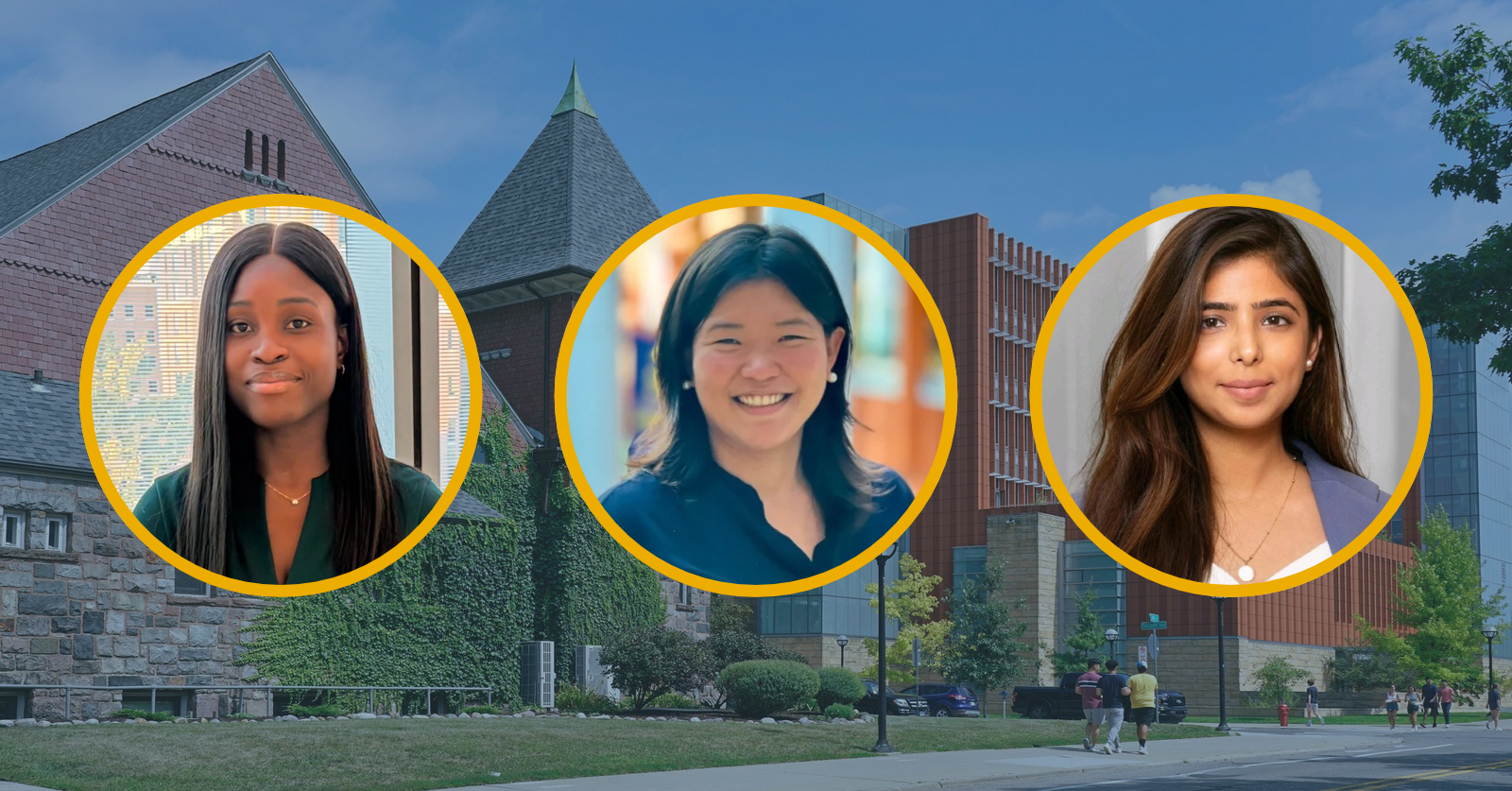
To better understand this impact and the value of an MBA, we asked three Michigan Ross MBA graduates from the Class of 2026 to share how their careers have changed since earning their MBAs.
Busola Olayoriju, MBA ’26
Current role
Management consultant at Boston Consulting Group
How did your career trajectory change after earning your MBA?
Before Ross, my experience was in risk consulting and private banking, with a focus on financial crime, risk, and regulatory compliance. My MBA enabled me to make the transition into management consulting, a career pivot that would have been significantly more difficult without it. I wanted to broaden my functional expertise and pursue a career that offered greater flexibility to work across different functional areas.
How did experiential learning opportunities prepare you for the work you do now and for navigating changes in the workplace?
I participated in a Multidisciplinary Action Project, where my team worked with an American credit union to develop its AI and digital strategy. I also worked on a consulting project for a women's sports startup and participated in the Sanger Leadership Center's Crisis Challenge, which involved responding to a simulated crisis from a CEO's perspective. These experiences gave me practical opportunities to apply classroom concepts to real business challenges and prepared me for the fast-paced, high-pressure environment of consulting.
Can you share a specific moment when the alumni network showed up for you, during recruiting or after graduation?
During consulting recruiting, alumni helped me prepare for case interviews and connected me with people in the offices I was interested in. In fact, one of my earliest case practice sessions was with a Ross alum who also worked at the firm I ultimately joined. Since starting at BCG, I have continued to lean on alumni in my office for advice and guidance.
What would you tell someone who is weighing the cost of an MBA against the potential return?
I would encourage them to think about ROI more holistically than the immediate financial cost. An MBA is a significant financial investment, and the return will depend on each person's circumstances and goals. Beyond the immediate financial benefits, it can open doors to new career paths, expand your professional network, and equip you with skills and experiences that compound over time.
Naya Whang, MBA ’26
Current role
Manager - people and corporate analytics at Visa
How did your career trajectory change after earning your MBA?
The MBA opened doors to more strategic work and gave me the confidence to take a seat at the table. Going to a business school taught me to understand business as a business, which I think is so important for HR people.
How did experiential learning opportunities prepare you for the work you do now and for navigating changes in the workplace?
I worked on a project with Microsoft and learned a lot from how they used AI and from the kind of leadership it takes to keep up in tech. The team was open to change and okay with the mistakes that come with it. It was eye-opening to see how a team that’s comfortable with change can move faster and with less fear. I try to bring that same attitude to my work now, especially as AI changes how we do things.
Can you share a specific moment where the alumni network showed up for you, whether during recruiting or after you graduated?
When I was recruiting for my internship, I reached out to a Ross alum at one of the biggest engineering companies headquartered in Europe. After a short intro, the first thing he said was, “What can I do to get you this role?” It was awesome.
Being part of the Michigan network has meant more than I expected. As an immigrant, it means a lot to have people who are friendly to you wherever you go: your first day at work, awkward corporate drinks, new gym, hiking… It feels like having an extended family everywhere.
Jasmine Arora, MBA ’26
Current role
Sr. program manager, customer experience strategy at Amazon Seattle
How did your career trajectory change after earning your MBA?
Before Ross, I spent six years at Gartner in India, advising supply chain and procurement leaders on strategy, operating models, and transformation. My MBA helped me make the transition from advising companies on what they should do to owning the strategy and execution myself.
How did experiential learning opportunities prepare you for the work you do now and for navigating changes in the workplace?
As part of MAP, I spent seven weeks with my team advising Biolinq, a med-tech startup, on the strategic expansion of its biosensor technology into fertility monitoring. Coming from a supply chain background, I rapidly built expertise in reproductive health and assessed the technical feasibility and commercial potential of evolving its single-hormone sensor into a multi-hormone platform.
The experience strengthened my ability to master unfamiliar domains, challenge assumptions with evidence, and translate complex problems into actionable strategy, skills I apply at Amazon and that are increasingly valuable as AI reshapes how we work.
What would you tell someone who is weighing the cost of an MBA against the potential return?
I would encourage them to look beyond the immediate financial return and think about what they want the MBA to make possible. One of the most valuable parts of Ross for me was learning alongside people from different industries, backgrounds, and life experiences. Being exposed to perspectives different from my own challenged how I think, approach problems, and work with others.